
 by
by 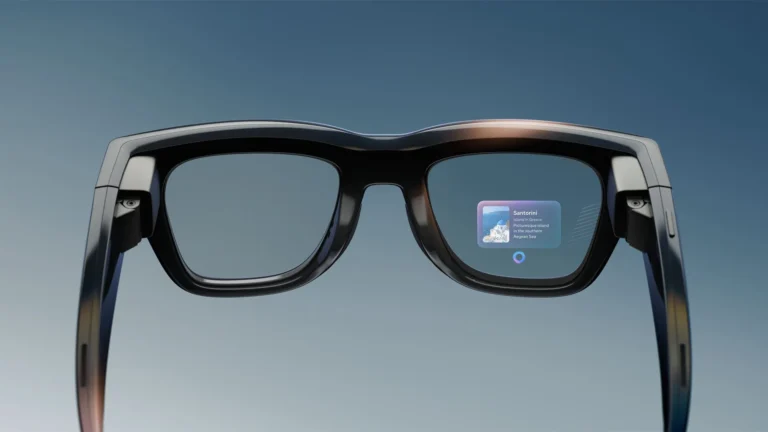
This week on the M7 Innovation Brief, Apple’s glasses win but only if vision AI works, high stakes errors in black box AI, and YouTube’s bot nails context showing niche wins.
Reflecting on this week’s stories, I can’t help but think of a massive blindspot big tech is missing: social permission. I like to think of myself as the earliest adopter of technology: I have everything from the Apple Vision Pro, to the nefarious Friend pendant, to countless AR and XR smart glasses, and even a ‘mini oxygen bar’ necklace from Korea that pumps negative ions into my airflow. The one device that gives me equal parts social insecurity and fear-of-judgement are my Meta Ray-Bans Glasses.
Should I tell people there’s a camera on these? How ridiculous do I look taking a phone call and talking with nothing in my ear? Should I ask permission before I snap a photo or video at my kid’s birthday party?
Technology is advancing faster than human behavior and social contracts can keep up. In the absence of rules and regulation, who should decide what is socially welcomed, acceptable, or even legal? Mark Zuckerberg rolled up to Capitol Hill this week with his Goon Squad of Meta Ray-Ban wearing colleagues, and they were threatened by the judge for being in contempt of court. You can’t film in a courtroom, yet it’s very easy to surreptitiously capture video with the tap of the button, or a whisper of a phrase. “Hey Meta, film my boy Marky Mark cooking in front of congress.”
Playing devil’s advocate, Americans spend over 5 hours a day on our smartphones. We pick up and ‘check’ our phones 144 times a day. It would be wonderful to delegate the mental overstimulation of smartphones to smart glasses and bring us back to a ‘heads up’ world. But, at what price? And who should set the social parameters and rules? I don’t have these answers today, but I’ll keep asking the questions as we work toward finding solutions.